
Introduction
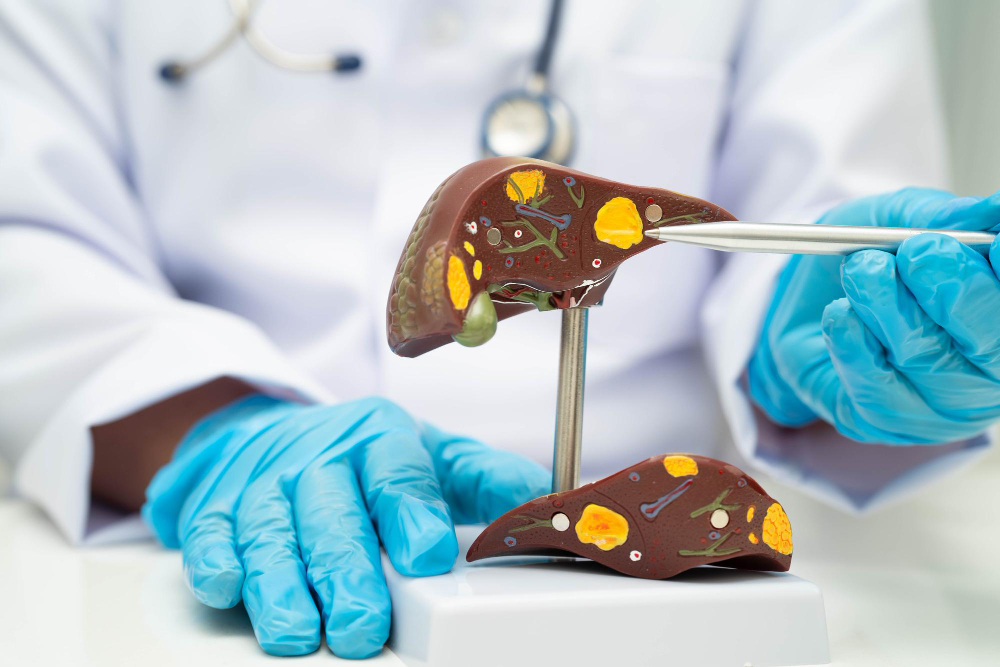
Liver disease affects millions of people worldwide. In the United States, it is a growing concern. Two main types are alcoholic liver disease and non-alcoholic liver disease. Both can harm your liver, but they have different causes. Understanding these conditions is important for your health. Early detection and care can help prevent serious problems. This blog explains the key differences, symptoms, diagnosis, and treatment options for both types. We also share liver health tips and prevention advice.
Key Differences Between Alcoholic and Non-Alcoholic Liver Disease
Although both conditions damage the liver, their causes are not the same. Knowing the differences helps you understand your risks and options.
In addition, ALD often develops faster if you keep drinking. NAFLD can progress slowly, but it may still cause serious liver damage if not managed.
Symptoms
Many people with liver disease do not notice symptoms at first. However, as the disease gets worse, signs may appear. Watch for these common liver disease symptoms:
But remember, symptoms can be mild or absent in early stages. Therefore, regular check-ups are important, especially if you have risk factors.
Causes and Risk Factors
Understanding what causes each type of liver disease can help you lower your risk.
Alcoholic Liver Disease Causes
Non-Alcoholic Liver Disease Causes
For both types, genetics and age can also play a role. But lifestyle choices often have the biggest impact.
Diagnosis
Doctors use several methods to diagnose liver disease. Early diagnosis can help prevent serious damage. If you have risk factors or symptoms, your doctor may suggest:
Additionally, your doctor will ask about your alcohol use, medical history, and lifestyle. This helps find the cause and best treatment plan.
Treatment Options
Treatment depends on the type and stage of liver disease. However, the main goal is to stop or slow liver damage.
Alcoholic Liver Disease Treatment
Non-Alcoholic Liver Disease Treatment
For both types, early treatment can prevent liver failure and improve quality of life.
Lifestyle Guidance and Prevention
Making healthy choices can lower your risk and support liver health. Here are some liver health tips:
Furthermore, regular check-ups help catch problems early. Prevention is always better than cure.
When to See a Doctor
It is important to seek medical advice if you notice liver disease symptoms. You should also see a doctor if you:
Early care can make a big difference. Do not wait for symptoms to get worse.
Conclusion
Both alcoholic and non-alcoholic liver diseases are serious but treatable. Knowing the key differences, symptoms, and treatment options can help you protect your liver. For personalized advice on liver health, consult a healthcare specialist at Vizag Healthcare LLP. Our expert team is here to guide you through the best treatment options and support you in maintaining a healthy liver.