
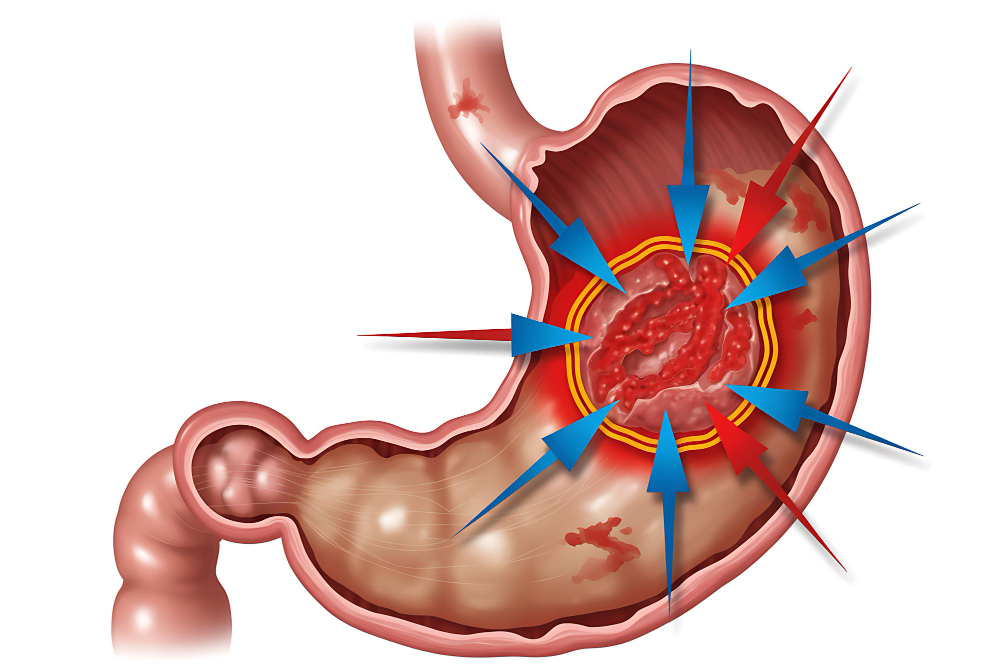
What is a Perforated Ulcer?
A perforated ulcer is a serious medical condition. It happens when an ulcer, or sore, forms a hole in the wall of the stomach or intestine. Because this hole lets food and fluids leak into the belly, it can cause severe infection. Early treatment is very important. In fact, a perforated ulcer is a medical emergency. Knowing the signs of perforated ulcer can help you get help quickly.
Symptoms of a Perforated Ulcer
Symptoms of a perforated ulcer often appear suddenly. Sometimes, they can be severe. However, not everyone will have all symptoms. Watch for these warning signs:
If you notice these symptoms, seek medical help right away. Quick action can save lives.
Causes and Risk Factors
Several things can cause a perforated ulcer. Most often, it starts as a peptic ulcer. Over time, this sore can eat through the stomach or intestine wall. But what increases your risk?
For example, people who take painkillers daily should be extra careful. Also, those with a history of ulcers face higher risk.
How is a Perforated Ulcer Diagnosed?
Doctors use several steps to diagnose a perforated ulcer. First, they ask about your symptoms and medical history. Next, they do a physical exam. Often, your belly may feel hard or tender. Then, they may order tests such as:
Because a perforated ulcer is an emergency, doctors act fast. Early diagnosis helps prevent serious problems.
Treatment Options for Perforated Ulcer
Treatment for perforated ulcer usually starts in the hospital. Doctors focus on stopping the leak and treating infection. Common treatments include:
Sometimes, if the hole is small and the patient is stable, doctors may try non-surgical care. However, most people need surgery. According to the World Health Organization (WHO), quick treatment lowers the risk of serious complications.
Prevention and Lifestyle Tips
While not all ulcers can be prevented, you can lower your risk. Try these tips to help prevent perforated ulcer:
Additionally, treating any known ulcers early can help prevent a perforation.
When to See a Doctor
Sometimes, mild stomach pain goes away on its own. However, if you have sudden, severe pain or other signs of perforated ulcer, seek help right away. Do not wait. Early care can save your life. Even if you are unsure, it is better to be safe and get checked.
Conclusion and Next Steps
In summary, a perforated ulcer is a dangerous condition that needs fast treatment. Knowing the symptoms, causes, and treatment for perforated ulcer can help you act quickly. If you suspect a perforated ulcer, consult a healthcare specialist at Vizag Healthcare LLP for personalized advice.