
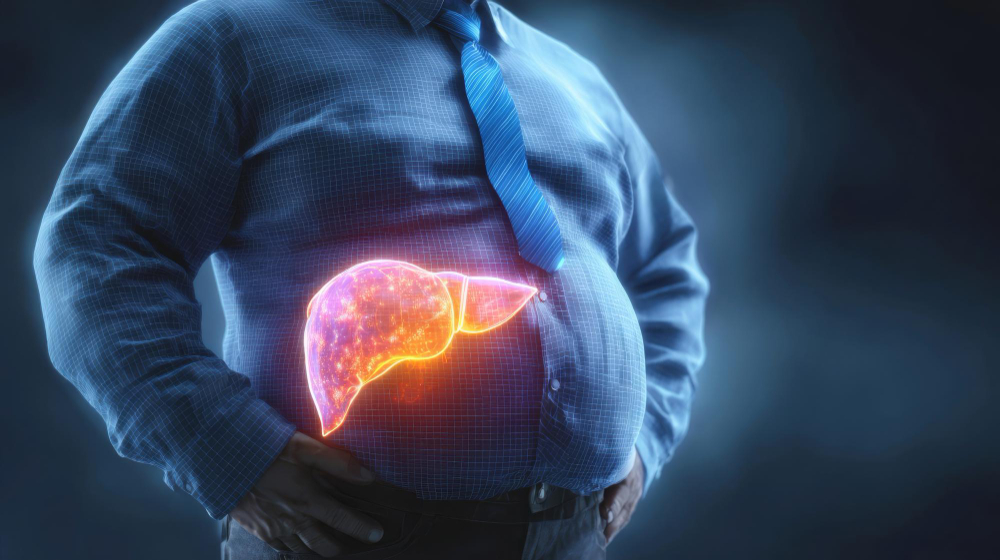
What Is Fatty Liver?
Fatty liver care is important for everyone. Fatty liver means extra fat builds up in your liver cells. Usually, your liver helps clean your blood and digest food. However, too much fat can harm your liver over time. There are two main types: non-alcoholic fatty liver disease (NAFLD) and alcoholic fatty liver disease. NAFLD is more common and not linked to alcohol use. Early care can help prevent fatty liver progression and protect your liver.
Symptoms of Fatty Liver
Most people with fatty liver do not notice symptoms at first. Still, as the condition gets worse, you may feel:
Because symptoms are often mild, regular check-ups are important. Early detection can make fatty liver care easier.
Causes and Risk Factors
Many things can cause fatty liver. For example, eating too much unhealthy food or drinking alcohol can raise your risk. Other risk factors include:
In India and other regions, diets high in fried foods or sweets can also increase risk. Therefore, healthy eating habits are key for liver health.
How Fatty Liver Is Diagnosed
Doctors use several ways to check for fatty liver. First, they may ask about your health and family history. Next, they may do a physical exam. Common tests include:
Early diagnosis helps you start fatty liver care before the disease gets worse.
Effective Fatty Liver Care and Treatment Options
There is no single medicine for fatty liver. However, you can manage it with simple steps. Doctors may suggest:
With the right fatty liver care, you can stop or even reverse liver damage.
Lifestyle Tips to Protect Your Liver
Simple changes can help protect your liver. For instance, you can:
In addition, avoid sharing needles or personal items to lower your risk of liver infections.
Prevention: How to Stop Fatty Liver from Progressing
Preventing fatty liver progression is possible. You can:
Because prevention is easier than treatment, start healthy habits early. Over time, these steps can keep your liver strong.
When to See a Doctor
If you notice symptoms like tiredness, belly pain, or yellow skin, see a doctor soon. Also, if you have risk factors, regular check-ups are wise. Early fatty liver care can prevent serious problems. For personalized fatty liver care and guidance, consult at Vizag Healthcare LLP.