
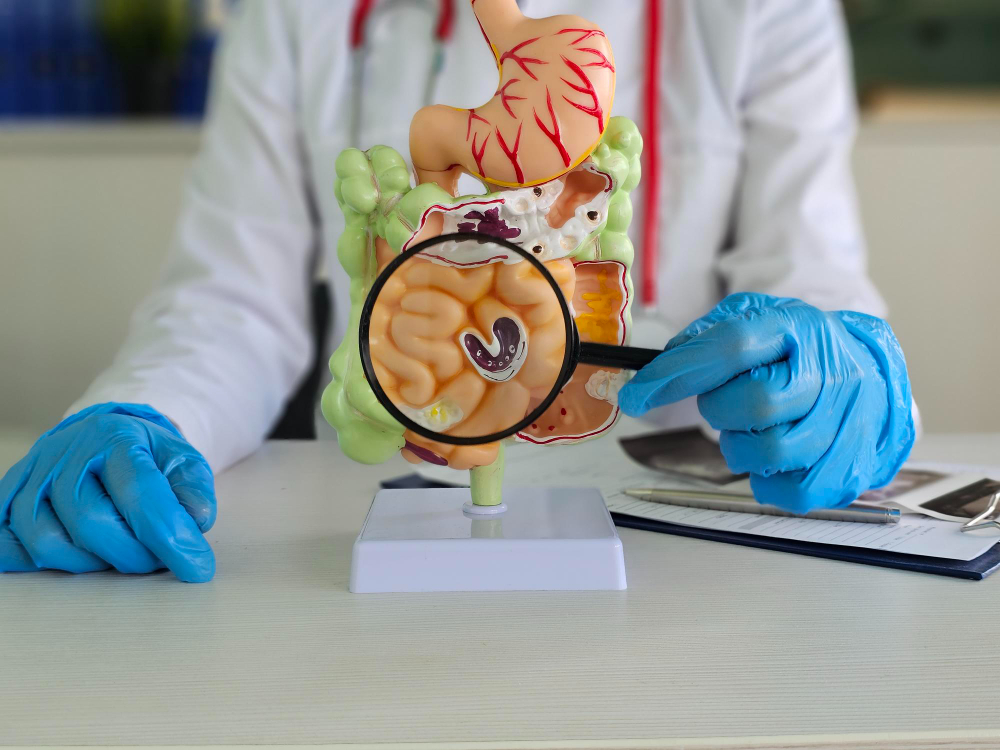
What is Crohn’s Disease?
Crohn’s disease is a chronic inflammatory gut condition. It affects the digestive tract, which is the path food takes through your body. Most often, it impacts the small intestine and the beginning of the large intestine. However, it can affect any part of the gut from mouth to anus. Because it is long-lasting, people may have symptoms for years. Although there is no cure, treatments can help manage the disease. According to the CDC, Crohn’s disease is one of the main types of inflammatory bowel disease (IBD).
Common Symptoms of Crohn’s Disease
People with Crohn’s disease may notice different symptoms. For example, some symptoms are mild, while others can be severe. Most symptoms come and go, but sometimes they last for weeks. Common Crohn’s disease symptoms include:
Sometimes, symptoms can get worse during a flare-up. But with treatment, many people can control their symptoms.
Causes and Risk Factors
Doctors do not know the exact cause of Crohn’s disease. However, several factors may increase your risk. For instance, your immune system may react to bacteria in the gut. This can lead to inflammation. Genetics also play a role. If someone in your family has Crohn’s disease, your risk is higher. In addition, environmental factors like smoking or certain infections may increase risk. Some risk factors include:
While anyone can get Crohn’s disease, it is more common in North America and Europe.
How Crohn’s Disease is Diagnosed
Doctors use several steps to diagnose Crohn’s disease. First, they ask about your symptoms and medical history. Next, they may do a physical exam. Because Crohn’s disease symptoms are similar to other gut problems, further tests are needed. These may include:
With these tests, doctors can confirm if you have Crohn’s disease and rule out other conditions.
Treatment Options
There are several Crohn’s disease treatment options. While there is no cure, treatment helps control inflammation and reduce symptoms. For many people, a mix of medicines and lifestyle changes works best. Common treatments include:
Doctors will choose the best treatment based on your symptoms and health needs. Sometimes, you may need to try more than one treatment to find what works.
Lifestyle Tips for Living with Crohn’s Disease
Living with Crohn’s disease can be challenging. However, healthy habits may help you feel better. For example, eating small, frequent meals can be easier on your gut. You should also drink plenty of water. Here are some helpful tips:
With these steps, many people find it easier to manage daily life with Crohn’s disease.
Prevention and Reducing Flare-Ups
Although you cannot prevent Crohn’s disease, you can lower the chance of flare-ups. For instance, taking your medicines as directed is important. In addition, avoiding smoking can help. Some other ways to reduce flare-ups include:
By following these tips, you may keep symptoms under control and improve your quality of life. For more information consult at Vizag Healthcare llp.