
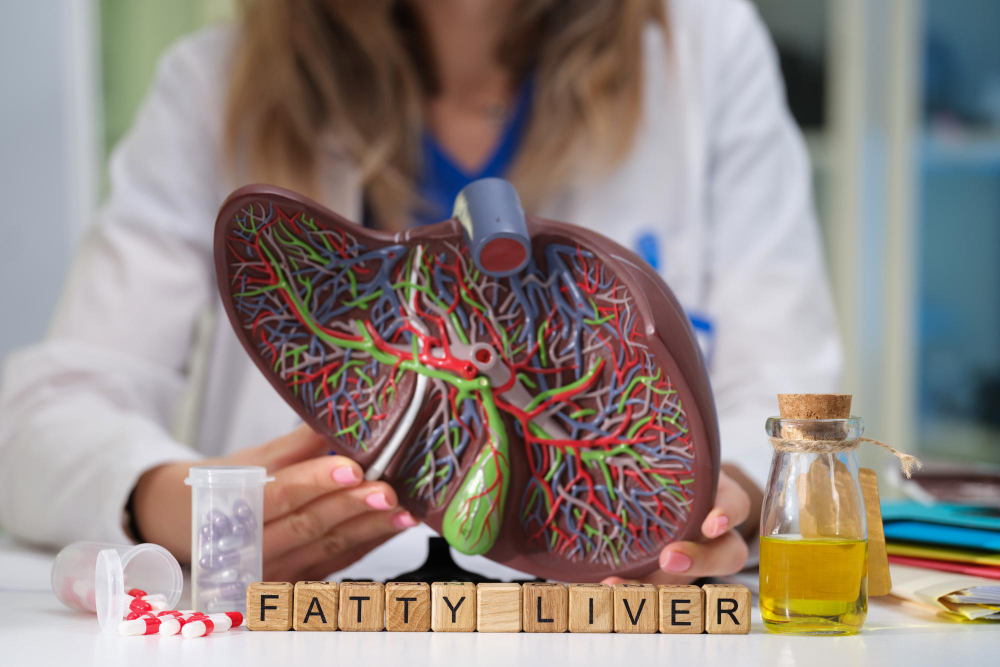
Causes and Risk Factors of Nonalcoholic Fatty Liver Disease

What is Nonalcoholic Fatty Liver Disease?

Nonalcoholic Fatty Liver Disease, or NAFLD, is a condition where fat builds up in the liver. Unlike liver problems caused by drinking alcohol, NAFLD happens in people who drink little or no alcohol. In fact, this disease is now one of the most common liver conditions worldwide. Many people do not notice symptoms at first. However, over time, NAFLD can lead to liver damage. Because of this, learning about the causes and risk factors of Nonalcoholic Fatty Liver Disease is important for everyone.

Main Causes of Nonalcoholic Fatty Liver Disease

There are several reasons why fat may collect in the liver. While the exact cause is not always clear, experts have found some common causes. For example, the following factors often play a role:

  • Overweight or Obesity: Carrying extra weight is a leading cause. Fat from other parts of the body can move to the liver.
  • Insulin Resistance: This means the body does not use insulin well. As a result, blood sugar rises, and fat builds up in the liver.
  • High Blood Sugar: People with type 2 diabetes or prediabetes are at higher risk.
  • High Cholesterol or Triglycerides: These are types of fat in the blood. High levels can lead to fatty liver.
  • Poor Diet: Eating lots of sugary foods, fried foods, or processed snacks can increase liver fat.
  • Rapid Weight Loss: Losing weight too quickly can also cause fat to build up in the liver.
  • Sometimes, NAFLD can develop even if you do not have these issues. But, these causes are the most common.

    Major Risk Factors for Nonalcoholic Fatty Liver Disease

    Some people are more likely to get NAFLD than others. For instance, certain risk factors make it more likely that fat will build up in the liver. These include:

  • Being Overweight: People with a high body mass index (BMI) have a greater risk.
  • Type 2 Diabetes: This condition often goes hand in hand with fatty liver.
  • High Blood Pressure: High blood pressure can stress the liver over time.
  • High Cholesterol: Unhealthy cholesterol levels can raise your risk.
  • Metabolic Syndrome: This is a group of conditions, including high blood sugar, extra belly fat, and high blood pressure.
  • Age: NAFLD is more common in people over 40, but it can affect anyone.
  • Family History: If close family members have liver disease, your risk may be higher.
  • Sleep Apnea: This sleep disorder can increase the risk of fatty liver.
  • Polycystic Ovary Syndrome (PCOS): Women with PCOS may have a higher chance of NAFLD.
  • Even though these risk factors are common, anyone can develop NAFLD. Therefore, it is important to know your own risk.

    How to Reduce Your Risk

    Fortunately, there are steps you can take to lower your risk of NAFLD. For example, making healthy choices can protect your liver. Here are some simple liver health tips:

  • Maintain a healthy weight by eating balanced meals and staying active.
  • Choose foods low in sugar, salt, and unhealthy fats.
  • Exercise regularly, such as walking or cycling, for at least 30 minutes most days.
  • Limit sugary drinks and processed snacks.
  • Manage health conditions like diabetes, high blood pressure, and high cholesterol with your doctor’s help.
  • Get regular check-ups to monitor your liver health.
  • In addition, talk to your healthcare provider if you have any risk factors. They can help you create a plan to keep your liver healthy. According to the CDC and WHO, lifestyle changes are the best way to prevent fatty liver disease.

    Conclusion

    In summary, Nonalcoholic Fatty Liver Disease is a common condition with many causes and risk factors. However, you can lower your risk by making healthy choices and staying informed. Consult a healthcare professional at Vizag Healthcare LLP for personalized advice on liver health.