
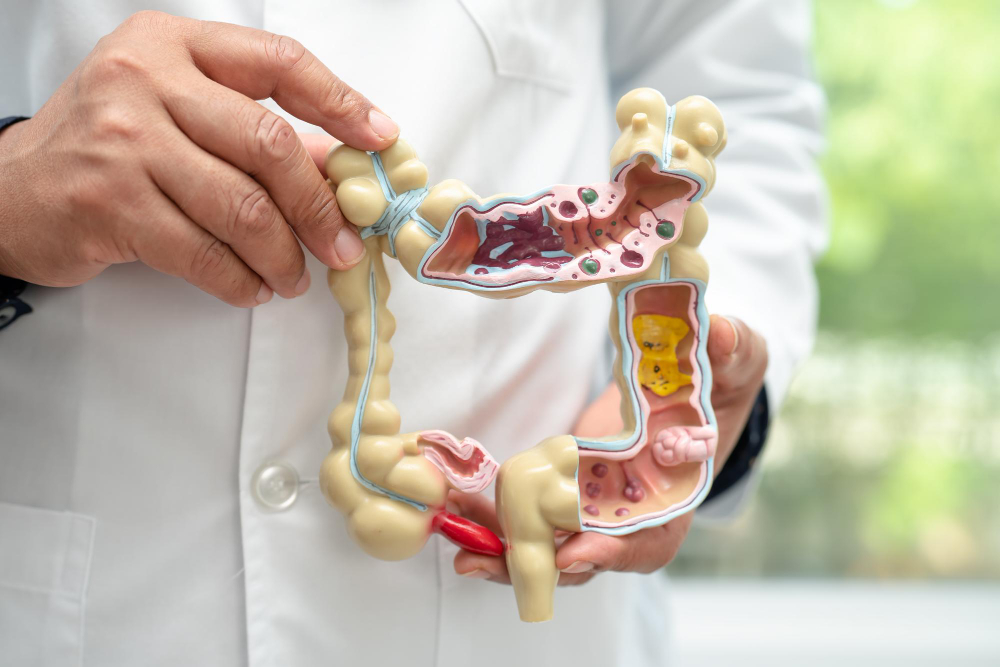
What Are Colon Polyps?
Colon polyps are small growths that form on the inner lining of the colon. The colon is part of your large intestine. While most colon polyps are harmless, some can turn into cancer over time. Because of this risk, it is important to find and remove them early. According to the CDC, colon polyps are common, especially in adults over age 50.
Common Symptoms of Colon Polyps
Often, colon polyps do not cause any symptoms. Many people learn they have polyps during a routine screening. However, some people may notice signs. For example, you might see:
Still, many colon polyps cause no symptoms at all. That is why regular screening is so important.
Causes and Risk Factors
Colon polyps form when cells in the colon grow and divide more than they should. Several factors can increase your risk. For instance, you may be at higher risk if you:
Because some risk factors are out of your control, regular check-ups are key.
How Colon Polyps Are Diagnosed
Doctors use several tests to find colon polyps. Most often, a colonoscopy is used. During this test, a doctor looks inside your colon with a thin, flexible tube. If polyps are found, they can often be removed right away. Other tests include:
Because colon polyps may not cause symptoms, screening is the best way to find them early. The CDC recommends regular screening for adults starting at age 45.
Treatment Options for Colon Polyps
Most colon polyps are removed during a colonoscopy. This is a simple and safe procedure. After removal, the polyps are checked for signs of cancer. In rare cases, surgery may be needed if polyps are large or hard to reach. After treatment, your doctor may suggest follow-up tests to make sure no new polyps form. Early colon polyp treatment lowers your risk of colon cancer.
Prevention Tips and Lifestyle Guidance
While you cannot prevent all colon polyps, you can lower your risk. For example, you can:
Because healthy habits make a difference, start making small changes today. Preventing colon polyps is possible with the right steps.
Conclusion
Colon polyps are common, but they can be managed with early detection and healthy choices. Since most polyps do not cause symptoms, regular screening is vital. If you have concerns or need advice about colon polyp symptoms or treatment, consult a gastroenterologist at Vizag Healthcare LLP for personalized advice. Our expert team is here to help you maintain optimal colon health with the best care and guidance.