
Introduction
A colonoscopy is a common test that helps doctors check the inside of your colon. This test is important for digestive health. It can find problems like polyps or signs of colon cancer early. Because colon cancer screening saves lives, many doctors recommend a colonoscopy for adults over 45. In this blog, you will learn what a colonoscopy is, why it is done, how to prepare, and what to expect.
What is a Colonoscopy?
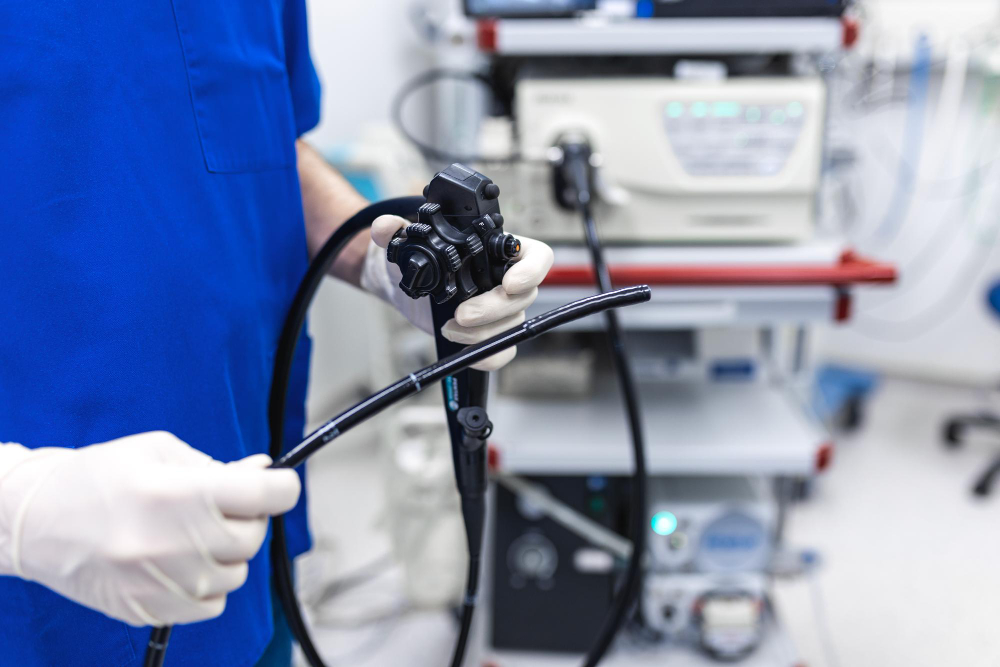
A colonoscopy is a medical procedure. During this test, a doctor uses a thin, flexible tube with a camera to look inside your colon. The colon is the last part of your digestive system. The camera helps the doctor see any changes or growths. Sometimes, the doctor may remove small polyps or take samples for testing. This helps find problems early, before they become serious.
Why is a Colonoscopy Performed?
Doctors perform colonoscopies for several reasons. Most often, it is used for colon cancer screening. Early detection can save lives. However, there are other reasons too. For example, a colonoscopy can help find the cause of:
Sometimes, people with a family history of colon cancer need this test sooner. According to the CDC, regular screening lowers the risk of dying from colon cancer.
How to Prepare for a Colonoscopy
Proper colonoscopy preparation is very important. A clean colon helps the doctor see clearly. Usually, your doctor will give you detailed instructions. Here are common steps:
Because preparation can be challenging, ask your doctor if you have questions. Good preparation leads to better results.
What to Expect During the Procedure
On the day of your colonoscopy, you will go to a clinic or hospital. First, you will change into a gown. Then, a nurse will place an IV in your arm. This helps give you medicine to relax or make you sleepy. During the test, you will lie on your side. The doctor will gently insert the colonoscope into your rectum. Most people feel little or no pain. The test usually takes 30 to 60 minutes. After the procedure, you will rest until the medicine wears off.
Risks and Possible Complications
Colonoscopy is safe for most people. However, like any medical test, there are some risks. These include:
Although serious problems are rare, tell your doctor if you have severe pain, fever, or heavy bleeding after the test. The benefits of colon cancer screening usually outweigh the risks.
Recovery and Aftercare
After your colonoscopy, you may feel sleepy or bloated. This is normal and should go away soon. Because you had medicine to relax, you should not drive or make big decisions for the rest of the day. Most people return to normal activities by the next day. If the doctor removed polyps, you may need to avoid certain foods for a short time. Always follow your doctor’s instructions for colonoscopy recovery.
Tips for a Smooth Colonoscopy Experience
With good planning, your colonoscopy can go smoothly and safely.
Frequently Asked Questions
Conclusion
If you have concerns about your colon health, consult the experts at Vizag Healthcare LLP. Our gastroenterologists provide personalised guidance and screening to help prevent colon cancer. Book your consultation today for proactive care.