
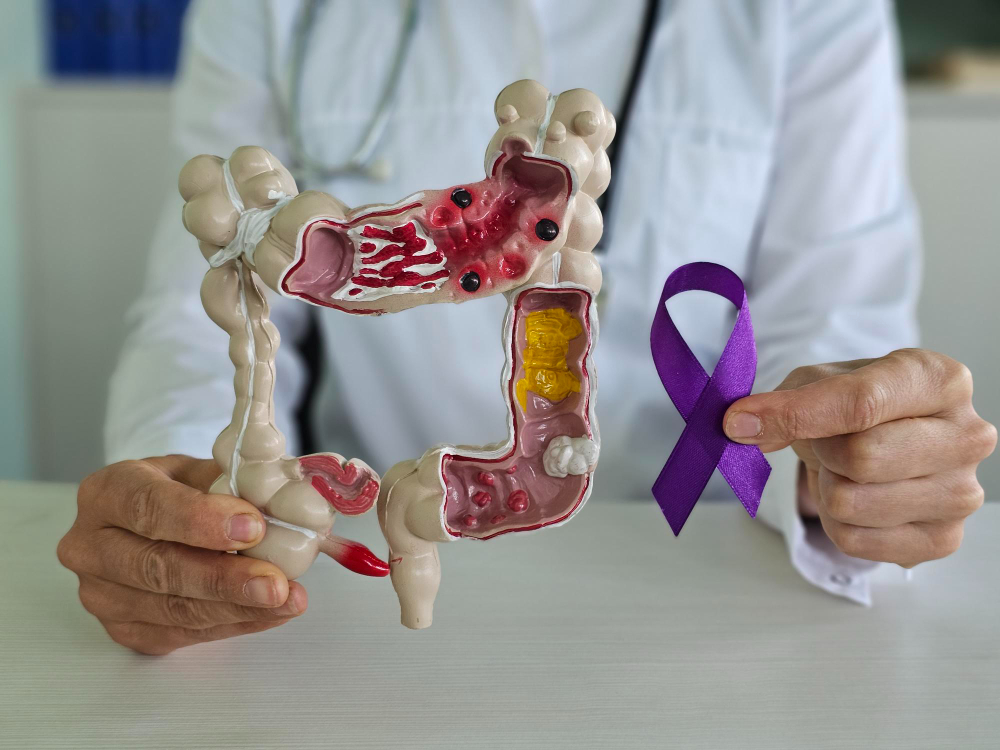
What Is Colorectal Cancer?
Colorectal cancer starts in the colon or rectum. These are parts of the large intestine. This cancer often begins as small growths called polyps. Over time, some polyps can turn into cancer. However, not all polyps become cancerous. Early detection can help remove polyps before they become a problem. According to the CDC, colorectal cancer is a leading cause of cancer deaths worldwide. But with regular checks, many cases can be prevented or found early.
Why Early Screening Matters
Early screening for colorectal cancer saves lives. When doctors find cancer early, treatment works better. In fact, early detection can stop cancer before it spreads. Screening can also find polyps before they turn into cancer. For this reason, experts recommend regular screening for adults starting at age 45. If you have a family history, you may need to start even sooner. Talk to your doctor about the right time for you.
Warning Signs and Symptoms
Colorectal cancer may not cause symptoms at first. Still, knowing the warning signs can help you act quickly. Watch for these symptoms:
However, these signs can also be caused by other conditions. Even so, it is important to see a doctor if you notice any of them.
Risk Factors
Some people have a higher risk of developing colorectal cancer. Knowing your risk can help you take action. Common risk factors include:
Even if you have no risk factors, you can still get colorectal cancer. Therefore, regular screening is important for everyone.
Screening Methods and Recommendations
There are several ways to screen for colorectal cancer. Each method has its own benefits. Your doctor can help you choose the best one. Common screening tests include:
Most experts, including the CDC and American Cancer Society, recommend starting screening at age 45. If you have a family history or other risks, you may need to start earlier. In some areas, local guidelines may differ. Always check with your healthcare provider for the latest colorectal cancer screening guidelines.
Prevention Tips and Healthy Lifestyle
Although you cannot change some risk factors, you can lower your risk with healthy habits. Here are some tips on how to prevent colorectal cancer:
By making these changes, you can help protect your health. Even small steps can make a big difference over time.
When to See a Doctor
If you notice any warning signs or have risk factors, do not wait. Schedule a visit with your doctor. Early action can lead to better outcomes. Even if you feel fine, regular screening is still important. Remember, many people with colorectal cancer have no symptoms at first. Therefore, talk to your healthcare provider about your screening options.
In summary, colorectal cancer early screening saves lives. Know the warning signs and get checked as recommended. For personalized advice, consult at Vizag Healthcare LLP today.