
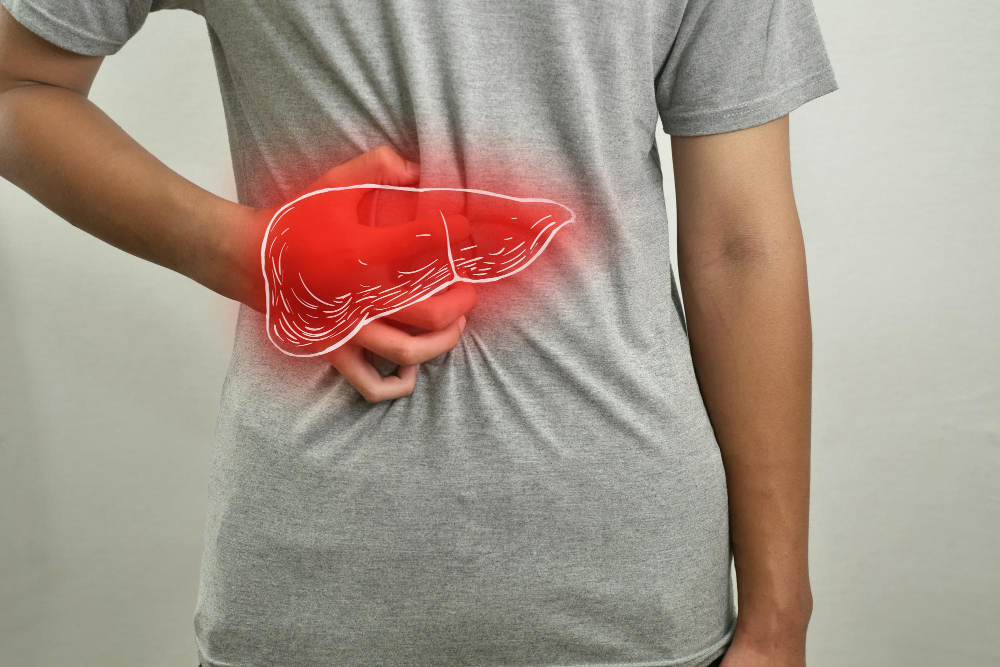
What Is Fatty Liver?
Fatty liver means extra fat builds up in the liver. Usually, the liver has a small amount of fat. However, when too much fat collects, it can cause problems. Doctors call this condition fatty liver disease. There are two main types: non-alcoholic fatty liver disease (NAFLD) and alcoholic fatty liver disease. NAFLD is more common and not linked to heavy drinking. Early on, fatty liver may not cause harm. But, over time, it can lead to serious health issues.
Common Symptoms
Often, fatty liver does not cause symptoms at first. Many people do not know they have it. Still, some may notice signs as the disease gets worse. For example, you may feel:
Because symptoms are mild or missing, regular check-ups are important.
Causes and Risk Factors
Several things can lead to fatty liver. Some common causes and risks include:
In addition, family history can play a role. If you have these risks, you may be more likely to develop fatty liver.
How Fatty Liver Is Diagnosed
Doctors use several methods to find fatty liver. First, they may ask about your health and check your body. Next, they may order blood tests to look for liver problems. Sometimes, doctors use imaging tests, such as:
In rare cases, a liver biopsy may be needed. This means taking a small piece of liver tissue to check for damage. Early diagnosis helps prevent serious fatty liver complications.
Potential Consequences of Fatty Liver
Fatty liver can lead to health problems if not managed. Some possible consequences include:
Moreover, fatty liver disease can raise your risk for heart disease and type 2 diabetes. According to the CDC, untreated fatty liver may cause lasting damage. Therefore, it is important to take action early.
Treatment and Management Options
There is no single medicine to cure fatty liver. However, you can manage it with healthy habits. Doctors often suggest:
In some cases, doctors may treat other health problems, like diabetes or high cholesterol, to help your liver.
Prevention Tips
Preventing fatty liver is possible. You can lower your risk by following these tips:
With these steps, you can help protect your liver and avoid fatty liver disease consequences.
When to See a Doctor
If you have risk factors or notice symptoms, see a doctor. Early care can prevent fatty liver complications. If you feel tired often, have belly pain, or notice yellowing of your skin or eyes, seek help immediately. Regular check-ups are essential, especially if you have diabetes or are overweight.
In summary, fatty liver can be managed and even prevented. Consult a healthcare specialist at Vizag Healthcare LLP for personalized advice on fatty liver.