
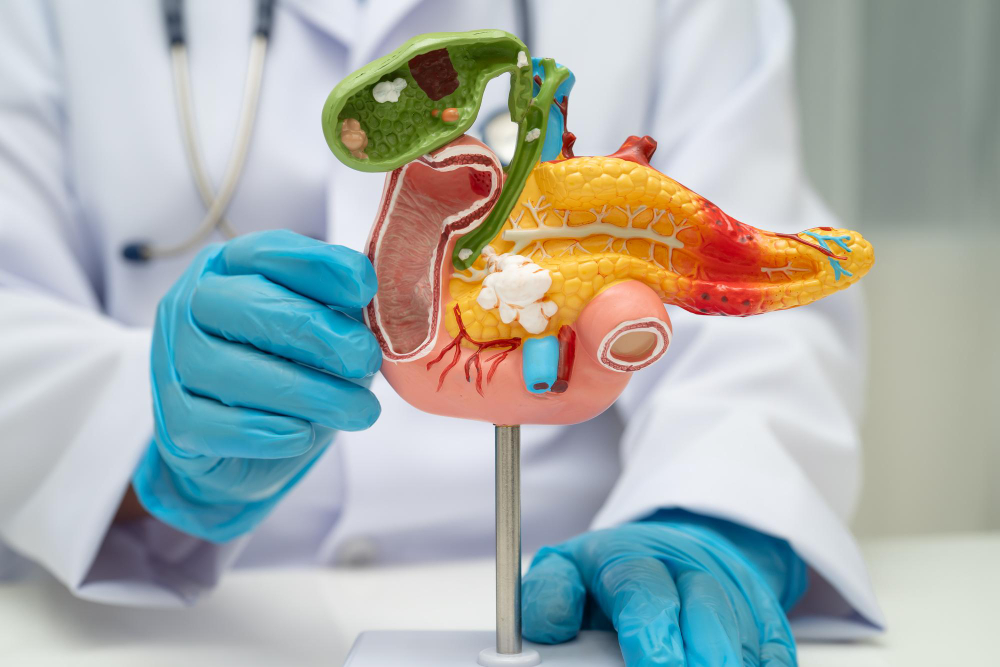
What Are Pancreatic Cysts?
Pancreatic cysts are fluid-filled sacs that form in the pancreas. The pancreas is an organ in your belly that helps with digestion and blood sugar control. Some cysts are harmless, while others may need treatment. Because pancreatic cysts can sometimes cause problems, it is important to know what they are and how they affect your health.
Common Symptoms of Pancreatic Cysts
Many people with pancreatic cysts do not have symptoms. However, some may notice signs if the cyst grows or causes trouble. For example, you might feel:
Sometimes, these symptoms can be mild. But if you notice them, it is wise to talk to your doctor. Early care can help prevent problems.
Causes and Risk Factors
Pancreatic cysts can form for different reasons. Some cysts develop after an injury or swelling in the pancreas. Others may be present from birth. In addition, certain health problems can raise your risk. These include:
Although not all cysts are dangerous, some can turn into cancer. Therefore, knowing your risk is important.
How Pancreatic Cysts Are Diagnosed
Doctors use several tests to find and check pancreatic cysts. First, they may ask about your symptoms and health history. Next, they might order imaging tests, such as:
Sometimes, doctors use a thin tube called an endoscope to look closer. They may also take a small sample of fluid from the cyst. This helps them check if the cyst is safe or needs treatment. According to the CDC, early diagnosis can help prevent serious problems.
Treatment Options for Pancreatic Cysts
Treatment for pancreatic cysts depends on the type, size, and symptoms. In many cases, doctors simply watch the cyst with regular scans. However, if the cyst is large, painful, or has a risk of cancer, treatment may be needed. Options include:
Your doctor will discuss the best plan for you. The World Health Organization suggests regular follow-up for most people with pancreatic cysts.
Prevention and Lifestyle Tips
While you cannot always prevent pancreatic cysts, healthy habits can lower your risk. For instance, you can:
These steps support your pancreas and overall health. In addition, they may help prevent other problems.
When to See a Doctor
If you have belly pain, yellow skin, or sudden weight loss, see a doctor soon. Also, if you know you have a pancreatic cyst, keep up with your check-ups. Early care can make a big difference. Remember, not all cysts are dangerous, but some need close watching.
For personalized advice about pancreatic cysts, consult a gastroenterologist at Vizag Healthcare. Early care and regular check-ups help keep you healthy.