
Introduction
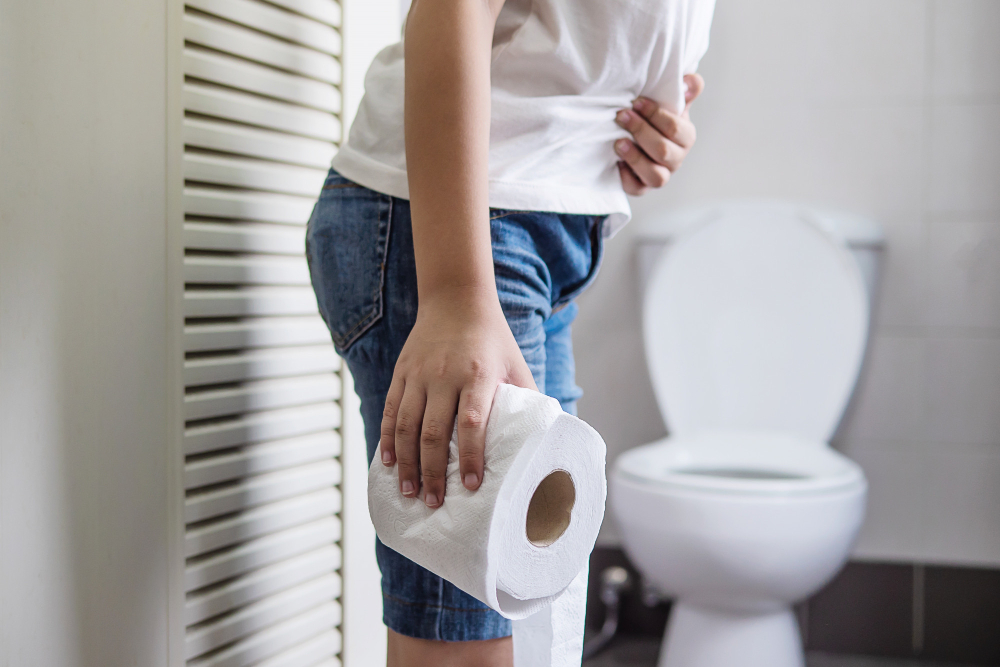
Constipation is a common problem that affects many people. It means having fewer bowel movements or passing hard stools. Often, it can make you feel uncomfortable or bloated. However, you can avoid this issue by following some preventive tips for constipation. Taking simple steps can help you enjoy better digestive health and keep your body feeling good every day.
What is Constipation?
Constipation happens when you have trouble passing stools or do not go to the bathroom as often as usual. Usually, it means having fewer than three bowel movements in a week. Sometimes, stools may be hard, dry, or painful to pass. For most people, constipation is not serious, but it can be bothersome. In some cases, it may lead to other health problems if not managed well.
Why Prevention Matters
Preventing constipation is important for your overall health. When you keep your bowels moving regularly, you feel lighter and more comfortable. Also, good bowel habits can help prevent pain, bloating, and other digestive issues. In the long run, preventing constipation may lower your risk of problems like hemorrhoids or anal fissures. Therefore, taking care of your digestive health helps you stay active and happy.
Top Preventive Tips for Constipation
Lifestyle Guidance
Making small changes in your daily life can support your digestive health. For example, try adding a serving of fruit or vegetables to each meal. You can also swap white bread for whole grain bread. If you live in a region where spicy or oily foods are common, balance your meals with fiber-rich options. Remember, drinking water throughout the day is just as important as eating well. In addition, regular movement, even simple stretching, can make a big difference. With these habits, you can keep your bowels healthy and avoid constipation.
When to See a Doctor
Most cases of constipation improve with simple changes. However, you should see a doctor if you notice:
These signs may mean there is a more serious problem. A doctor can help find the cause and suggest the right treatment. According to the CDC and WHO, it is always best to seek medical advice if you are unsure about your symptoms.
Conclusion
In summary, following preventive tips for constipation can help you enjoy better digestive health. Simple steps like eating more fiber, drinking water, and staying active make a big difference. If you have ongoing problems, do not wait. Consult a gastroenterologist at Vizag Healthcare llp for personalized advice on preventing constipation.