
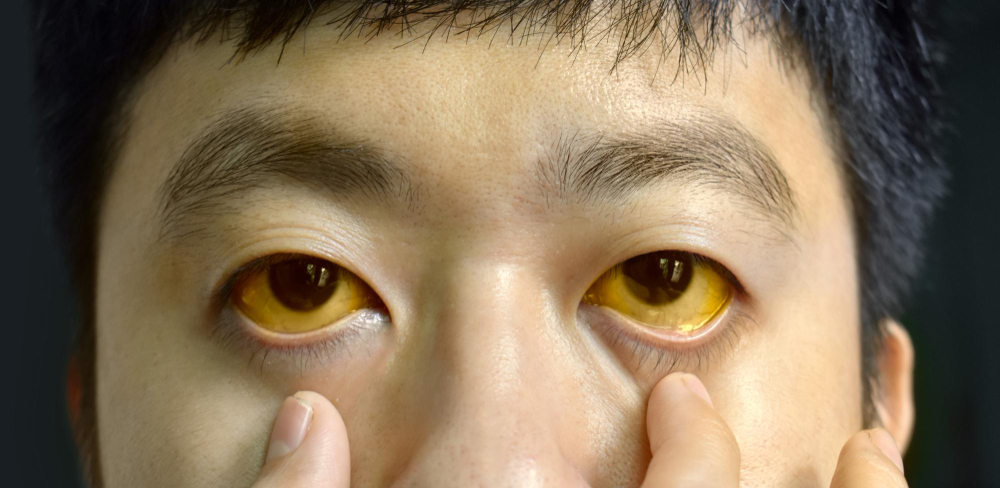
What is Jaundice?
Jaundice is a condition where the skin and eyes turn yellow. This happens when there is too much bilirubin in the blood. Bilirubin is a yellow substance made when red blood cells break down. Usually, the liver removes bilirubin from the body. However, if the liver cannot do this, jaundice can develop. Many people wonder about the signs of jaundice and how it affects health. Jaundice can happen to anyone, but it is more common in newborns and people with liver problems.
Symptoms of Jaundice
It is important to know the signs of jaundice. Early detection can help with quick treatment. Besides yellow skin and eyes, other symptoms may appear. For example, you might notice:
Sometimes, symptoms are mild. But in other cases, they can be severe. Therefore, it is wise to watch for any changes in your body.
Causes of Jaundice
There are several causes of jaundice. The most common cause is liver disease. However, other reasons can lead to jaundice as well. These include:
Because many things can cause jaundice, doctors look at your health history and symptoms to find the reason.
How Jaundice is Diagnosed
Many people ask, “How is jaundice diagnosed?” Doctors use several steps to find out if you have jaundice. First, they will ask about your symptoms and medical history. Next, they will do a physical exam. Often, they check your skin and eyes for yellowing. In addition, doctors may order tests such as:
With these tests, doctors can find the cause and decide on the best jaundice treatment options.
Treatment Options for Jaundice
Jaundice treatment options depend on the cause. For example, if an infection causes jaundice, doctors may give medicine to treat it. If a blocked bile duct is the problem, surgery or other procedures might be needed. In some cases, stopping certain medicines can help. For newborns with jaundice, light therapy is often used. This treatment helps break down bilirubin in the skin. Most importantly, treating the underlying cause is key. Your doctor will choose the best treatment for your needs.
Lifestyle Tips and Prevention
Preventing jaundice is possible in many cases. You can take steps to keep your liver healthy. For instance, you should:
By following these tips, you can lower your risk of jaundice. However, some causes, like genetic conditions, cannot be prevented.
When to See a Doctor
It is important to know when to seek help. If you notice yellowing of your skin or eyes, call your doctor. Also, if you have dark urine, pale stools, or severe pain, get medical advice. Early treatment can prevent serious problems. Remember, only a healthcare specialist can give you the right diagnosis and care.
If you notice symptoms of jaundice, consult a healthcare specialist at Capital Clinics for personalized advice.