
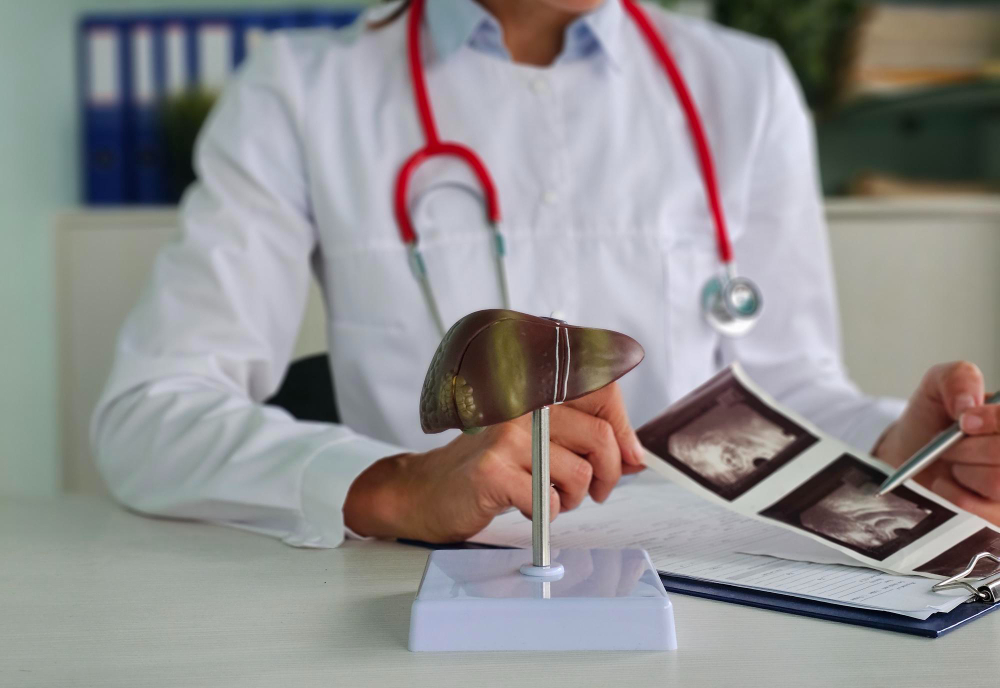
What Is Liver Failure?
Liver failure happens when your liver cannot do its job well. The liver helps remove toxins, makes proteins, and stores energy. When it stops working, your body cannot stay healthy. Many people ask, what triggers liver failure? This blog will explain the main causes, symptoms, and ways to prevent liver failure.
Common Triggers of Liver Failure
Several things can damage the liver and lead to failure. Knowing these causes of liver failure can help you stay safe. Below are the most common triggers:
Because these triggers are common, it is important to know your risk factors for liver failure.
Symptoms of Liver Failure
Liver failure symptoms can appear suddenly or develop slowly. Early signs may be mild, but they can get worse quickly. Watch for these symptoms:
However, not everyone will have all these signs. If you notice any of them, seek medical help right away.
How Liver Failure Is Diagnosed
Doctors use several tests to find out if you have liver failure. First, they will ask about your symptoms and medical history. Then, they may order blood tests to check how well your liver works. In addition, imaging tests like ultrasound or CT scans can show liver damage. Sometimes, a liver biopsy is needed to look at liver tissue under a microscope. Early diagnosis helps improve treatment and outcomes.
Prevention Tips
Fortunately, you can lower your risk of liver failure by following some simple steps. Here are tips for preventing liver failure:
By following these tips, you can protect your liver and stay healthy.
When to See a Doctor
Sometimes, liver failure can happen quickly. Therefore, you should see a doctor if you have:
Early treatment can save your life. Do not wait if you notice these symptoms.
Consult a specialtist at Vizag Healthcare llp for personalized advice on liver health.